
Former CDC Director Sounds Alarm: RFK Jr.'s Public Health Claims Threaten Trust and Evidence-Based Decisions
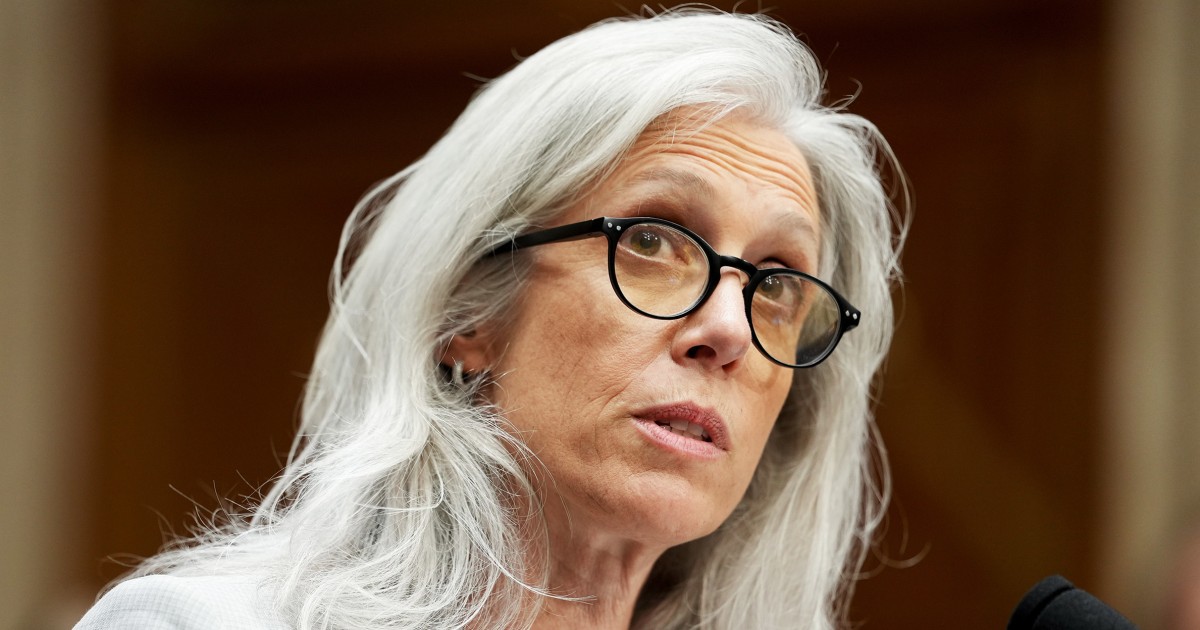
The nation's public health landscape is facing a critical challenge as Robert F. Kennedy Jr.'s increasingly vocal commentary sparks concerns about the politicization of vital health guidance. A scathing rebuke from former CDC Director Susan Monarez highlights the dangers of prioritizing political agendas over scientific evidence, particularly when it comes to the well-being of children.
Monarez, who recently revealed she was effectively fired from her position, delivered a powerful message emphasizing the need for a CDC that remains steadfastly independent and grounded in facts. Her statement, shared online, resonated with many who fear a shift away from evidence-based policymaking and towards narratives driven by ideology and fear.
The Core of the Concern: Politicization of Public Health
Kennedy Jr.'s public pronouncements on various health issues, including vaccines, have drawn widespread criticism from medical professionals and public health experts. While he claims to be advocating for individual freedom and questioning established narratives, critics argue his statements often misrepresent scientific data and sow distrust in institutions crucial for safeguarding public health.
Monarez's warning directly addresses this concern. She asserts that parents and the public at large deserve a CDC – and indeed, all public health agencies – that prioritize the best interests of children, rely on rigorous scientific evidence, and operate free from political interference. Her experience suggests that holding this line can come at a personal cost.
Susan Monarez's Experience: A Cautionary Tale
Monarez’s statement, “Parents deserve a CDC they can trust to put children above politics, evidence above ideology and facts above fear. I was fired for holding that line,” is a stark indictment of the potential consequences of challenging political pressures within public health organizations.
While the specific reasons for her departure remain somewhat opaque, her words strongly imply that her commitment to evidence-based practices and prioritizing children's health ultimately clashed with forces seeking to politicize public health guidance. This raises serious questions about the independence and integrity of public health agencies in an increasingly polarized environment.
Why This Matters: The Impact on Public Trust and Health Outcomes
The politicization of public health is not merely an abstract concern; it has tangible consequences for public health outcomes. When individuals lose trust in scientific institutions and public health experts, they are more likely to reject evidence-based recommendations, such as vaccinations, leading to preventable illnesses and outbreaks.
Furthermore, politicized health policies can erode the credibility of public health agencies, making it more difficult to respond effectively to future health crises. The COVID-19 pandemic served as a stark reminder of the importance of public trust and coordinated action in protecting public health.
Moving Forward: Protecting Evidence-Based Public Health
Monarez’s warning serves as a critical reminder of the need to safeguard the independence and integrity of public health agencies. It is imperative that policymakers, public health leaders, and the public at large prioritize evidence-based decision-making and resist the temptation to politicize health issues. Protecting public health requires unwavering commitment to scientific rigor, transparency, and a focus on the well-being of all individuals, especially children.
The debate surrounding Kennedy Jr.'s claims underscores the importance of media literacy and critical thinking skills. Individuals should be encouraged to evaluate information from various sources, consult with trusted medical professionals, and rely on credible scientific evidence when making decisions about their health and the health of their families.